
Service

Web Design & Development

Custom-built websites engineered for speed, conversions, and ten-year ownership — not for the design demo.

Web designer building a sleek website layout on a large screen with wireframe sketches — web design and development by NTL of NYC.
Custom, fast, conversion-focused websites.
2007In business since
100sof small businesses ranked
6Global offices, one accountable team
Why this matters

The problem we solve

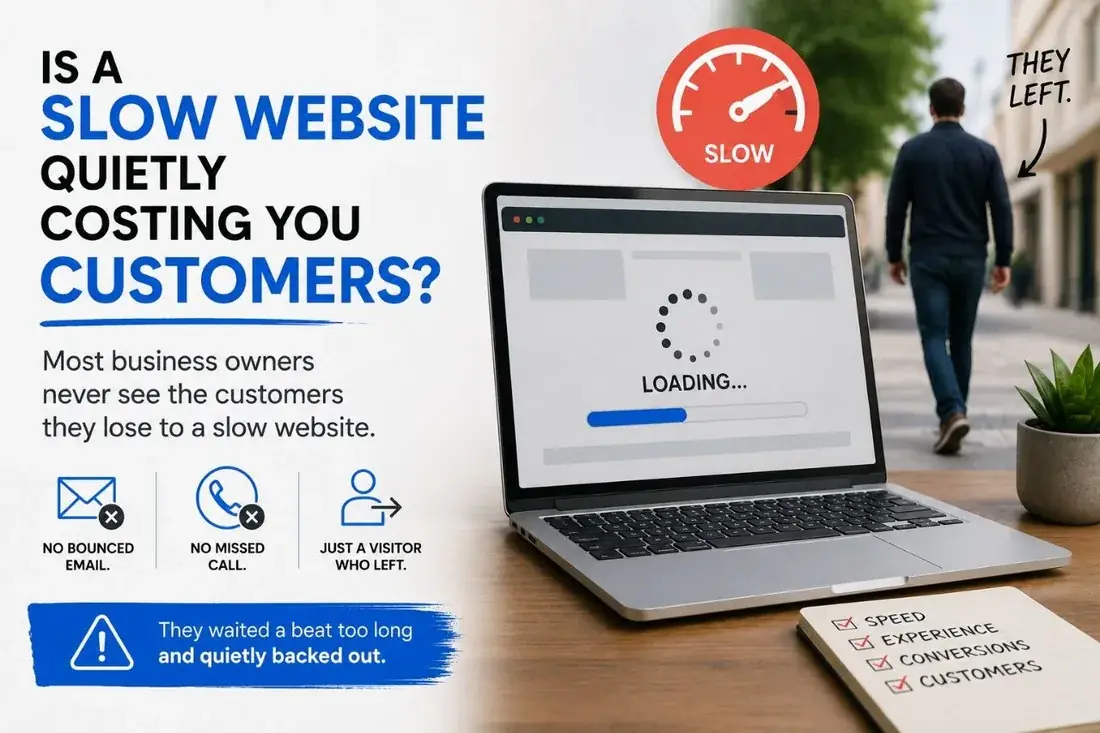
Most small-business websites are built for the design demo, not for the business that has to operate it for the next ten years. They look great in the agency pitch, ship with a portfolio screenshot, and then quietly underperform — slow page loads, mobile experiences that obviously came second, conversion paths that go nowhere, and content management workflows that require an agency every time you want to change a phone number.

The websites that actually pull their weight are not the prettiest ones. They are the ones that load in under two seconds on a 4G phone, capture leads above the fold, hold up in Search Console without manual intervention, and let an internal team make routine updates without breaking the layout. That is engineering work — not a Photoshop file dragged into a template.

We have been building these websites since 2007. Hundreds of small-business sites across moving, real estate, restaurants, e-commerce, and professional services have shipped through our team. The pattern of what works is now well understood: fast technical foundation, conversion-tested UX, content the owner can update, and a maintenance plan that keeps everything aligned as the business grows.
Quick read

Want a free audit of where your business stands right now?

30-minute call. We'll look at your site, your search visibility, and tell you the 2-3 highest-leverage moves.

How we work

Our approach

A repeatable playbook refined across hundreds of small-business engagements since 2007.

  1. 1

    Discovery — your business, your customer, your unfair advantage

    Two-week kickoff to understand what your customers actually do on your site, what conversions you need (calls, quote forms, bookings, e-commerce orders), what content you have, and what is missing. Includes stakeholder interviews, a competitive audit of 3-5 direct competitors, and a written brief on the site we are about to build — what it does, who it talks to, and how we will measure success.

  2. 2

    Architecture — sitemap, content model, tech stack

    Decide the right CMS for your team (WordPress for most, headless or full-custom for specific cases), map the site hierarchy and content types, plan the schema markup, and lock the hosting + CDN approach. This is the engineering decision that determines whether the site ages well — and we treat it that way.

  3. 3

    Design — mobile-first, conversion-driven

    Design happens after the architecture is set, not before. Mobile-first wireframes for every key template (home, service, product, blog, contact, conversion flow), then visual design that hits the brand notes without sacrificing speed or accessibility. We design with real content, not lorem ipsum.

  4. 4

    Build — clean code, real CMS, full schema

    Development happens in a staging environment with version control, code review, and automated performance budgets. Every page ships with the schema it needs (Service, Organization, BreadcrumbList, FAQ, Product, LocalBusiness — whichever applies). Image optimization, font loading, and JavaScript bundling are tuned for green Core Web Vitals from day one.

  5. 5

    Optimize — Core Web Vitals, accessibility, SEO

    Pre-launch optimization pass: Lighthouse audits across every template, WCAG accessibility checks, Search Console pre-warm, sitemap and robots.txt configuration, redirect map for any URLs changing. We do not launch until performance scores are in the green and the SEO foundation is set.

  6. 6

    Launch + maintain — uptime, updates, evolution

    Launch with a rollback plan, monitoring on uptime and Core Web Vitals, and a clear handoff document for your team. Then ongoing: monthly maintenance, security patches, CMS updates, performance monitoring, and quarterly reviews to evolve the site as the business changes.

Scope

What's included

Every engagement covers the work below — adjusted to where your business actually is.

  • Discovery workshop and written brief (sitemap, content model, conversion goals)
  • Mobile-first wireframes and visual design for every key template
  • Custom WordPress build (or headless / full-custom depending on the project)
  • Core Web Vitals optimization — green LCP, INP, and CLS scores at launch
  • Schema markup implementation (Service, Organization, BreadcrumbList, FAQ, where applicable)
  • Mobile, tablet, and desktop responsive design with real-content QA
  • WCAG 2.1 AA accessibility compliance
  • Image optimization, modern formats (WebP/AVIF), and lazy-loading
  • On-site SEO foundation (titles, meta descriptions, internal linking, sitemap, robots.txt)
  • CMS training session for your team (1 hour, recorded)
  • Pre-launch QA checklist (browser matrix, accessibility, performance, forms)
  • Launch with monitoring + rollback plan + 30-day post-launch support window
Industries

Built for businesses like yours

We tailor every engagement to the specifics of your vertical — same playbook, different application.

FAQ

Common questions

WordPress, headless, or fully custom — how do you choose?
For 80% of small businesses, modern WordPress is the right answer: your team can update content, the ecosystem is mature, and we can build it fast and clean. We move to headless (Next.js + a headless CMS like Sanity or Contentful) when the site needs unusual performance, complex content modeling, or a custom frontend experience. Fully custom code is rare and reserved for projects that genuinely need it — a public-facing marketing site almost never does.
How long does a website project take?
Small redesigns: 4-6 weeks. Standard new-build (10-25 pages, custom design, schema, conversion optimization): 8-12 weeks. Larger projects with custom functionality (member portals, booking systems, e-commerce integrations): 12-20 weeks. Timelines depend heavily on how quickly content is ready — that is usually the bottleneck, not development.
What does it actually cost?
Honest ranges: a brochure-style new build is $8,000-$20,000. A standard custom small-business website with proper SEO, schema, and conversion design runs $15,000-$40,000. Larger projects with custom functionality go higher. We quote fixed-price after the discovery workshop so there are no surprises.
Do you handle hosting too, or do we use our own?
Both options work. Our managed hosting covers servers, daily backups, security, monitoring, and updates as a single monthly fee — most clients pick this because it removes the "wait, who manages the site?" gap that kills marketing momentum. If you have an in-house team or existing hosting you want to keep, we hand over the build and document everything we did.
Will I be able to update the site myself?
Yes — that is the point of using a real CMS. After launch, you can edit any page, add blog posts, upload images, update contact info, and manage forms without touching code. We deliver a recorded training session and written documentation specific to your site so the workflows are clear.
What happens if we want to change something six months after launch?
Routine content edits are something you do in-house. For bigger changes — new sections, design tweaks, additional functionality — we offer ongoing maintenance retainers that include a set number of editorial hours per month plus reactive support. Most clients stay on a retainer because it is easier than rehiring an agency every time something needs to evolve.

Ready to see what web design could do for your business?

Free 30-minute consultation. We'll look at where you are, tell you straight if we're the right team, and give you a candid read on what would actually move the needle.