












Every client who has come to us asking for "the perfect website" has had a different mental picture of what that means. To some, it is a Pinterest-board of beautiful design. To others, it is a feature list as long as a phone book. To a few, it is just "the kind that gets us more business."
Only the last group is asking the right question. After hundreds of websites built and audited at NTL of NYC, here is what we have learned matters — and what does not.
- The website that pays for itself loads fast and points clearly to the next step.
- Speed beats beauty — a slow site loses customers it never met.
- Design mobile-first, not desktop-then-responsive.
- Lead with trust signals, not feature lists.
The five essentials at a glance
| Essential | Why it wins business |
|---|---|
| Speed beats beauty | A 1-second faster mobile load can lift conversions double digits |
| One-click conversion path | The next action (call, form or buy) is one tap from anywhere |
| Mobile-first, not "responsive" | 60–80% of traffic is mobile; design for it first |
| Trust before features | Reviews, real team photos and clear contact info convert |
| Accessibility | Contrast, screen-reader-friendly forms and captions help every visitor |
1. Speed beats beauty
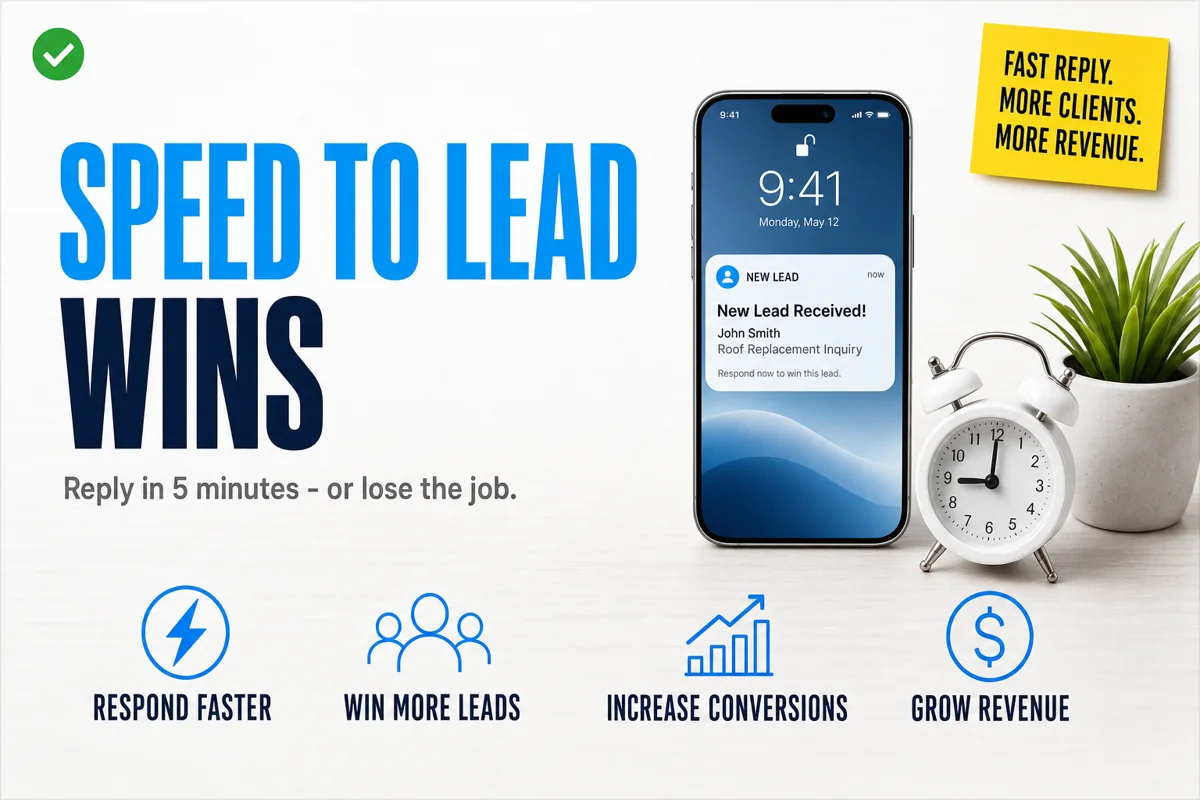
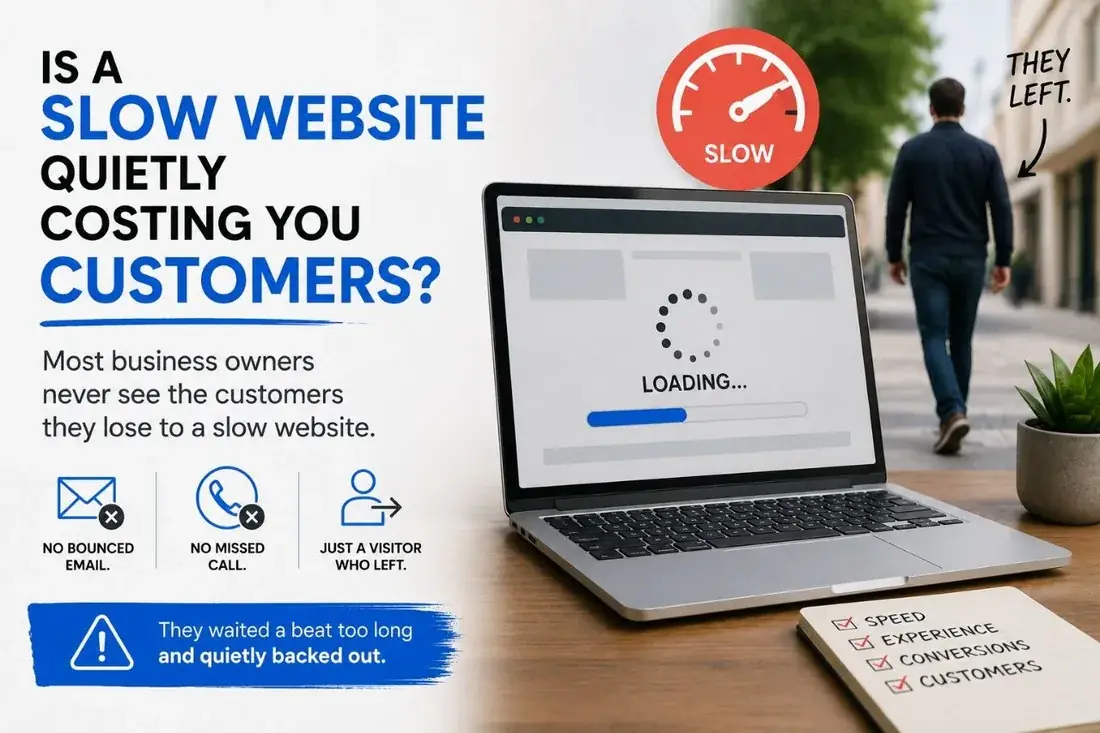
A site that takes more than three seconds to load on a mid-range Android phone over a 4G connection loses customers it never met. A 1-second improvement in mobile load time can lift conversions by double digits. The most beautiful site in the world cannot recover from being slow. Speed is the first non-negotiable.
2. The conversion path is one click long
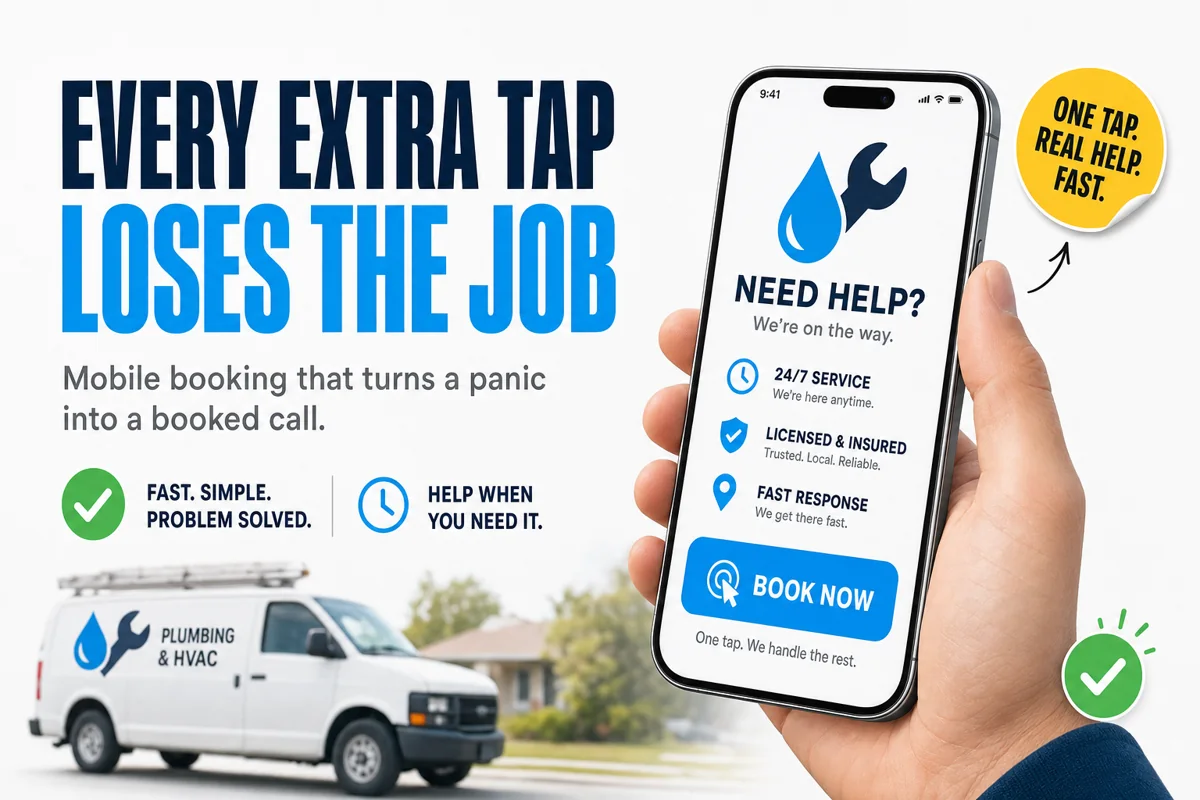
From any point on the site, the next desired action (call, form submit, purchase) should be one tap away. If your homepage has six different things competing for attention and the contact button is buried in the footer, the design is failing the business. Every page needs an obvious next step.
3. Mobile is not "also" — it is "first"
More than 60% of website traffic is mobile. For local services, often 80%+. Designing on a desktop monitor and "making it responsive" produces sites that work on desktop and tolerate mobile. Designing mobile-first produces sites that excel on the device most of your customers are actually using.
4. Trust signals before product features
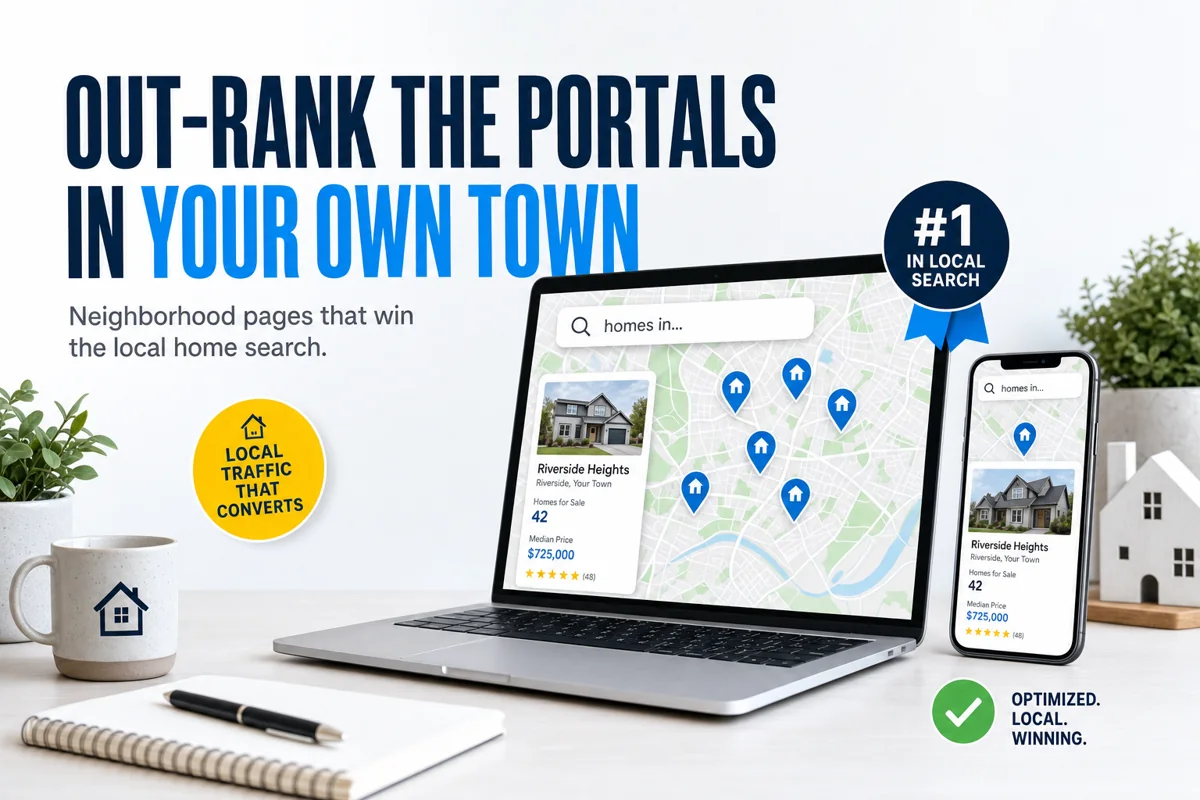
Customers do not read your feature list. They look for reviews, recognized brands you have worked with, photos that show real people on your team, badges that indicate certifications, and a clear address and phone number. Trust converts. Features explain.
5. Accessibility is not a checkbox
WCAG compliance is not just legal hygiene. Color contrast that fails accessibility standards literally costs you readers. Forms that do not work with a screen reader cost you the visually-impaired buyer. Captions on videos help the 85% of viewers who watch with sound off. Accessibility helps everyone.
What we tell clients to stop chasing
- Stunning animations that drag on first paint. The "wow" the visitor feels for 2 seconds is paid for in 3 seconds of frustration when nothing else loads.
- Bespoke fonts that need 400KB downloads. System fonts are free, fast, and look fine. Save the brand font for headlines only.
- Custom CMS dashboards your team will never learn. WordPress, Shopify, or a similar maintained platform always wins over a beautiful one-off that nobody can edit six months later.
- Hero images that take longer to load than your homepage's first useful frame. A great hero is one that loads first, not one that loads best.
The "perfect" website is a moving target. The website that pays for itself is not. It loads fast, points clearly to the next step, works on the device your customers actually use, signals trust, and is accessible. Get those five right and the rest is decoration.
Common questions
Is there such a thing as a perfect website? No. The sites that win business nail a few non-negotiables rather than chasing award-winning design.
What actually makes a website effective? Speed, clarity, mobile-first design, trust signals, and a clear path to contact or buy, most of which have nothing to do with how it looks.
Should I prioritize design or performance? Both serve conversion, but a fast, clear site that converts beats a beautiful one that does not.