










Open the blog on almost any e-commerce site and you will find the same graveyard: "5 Tips for Spring", "Our Team's Favorite Things", a holiday post from two years ago. It exists because someone said "we should blog for SEO", and it sells nothing because it answers no question a buyer is actually typing into Google.
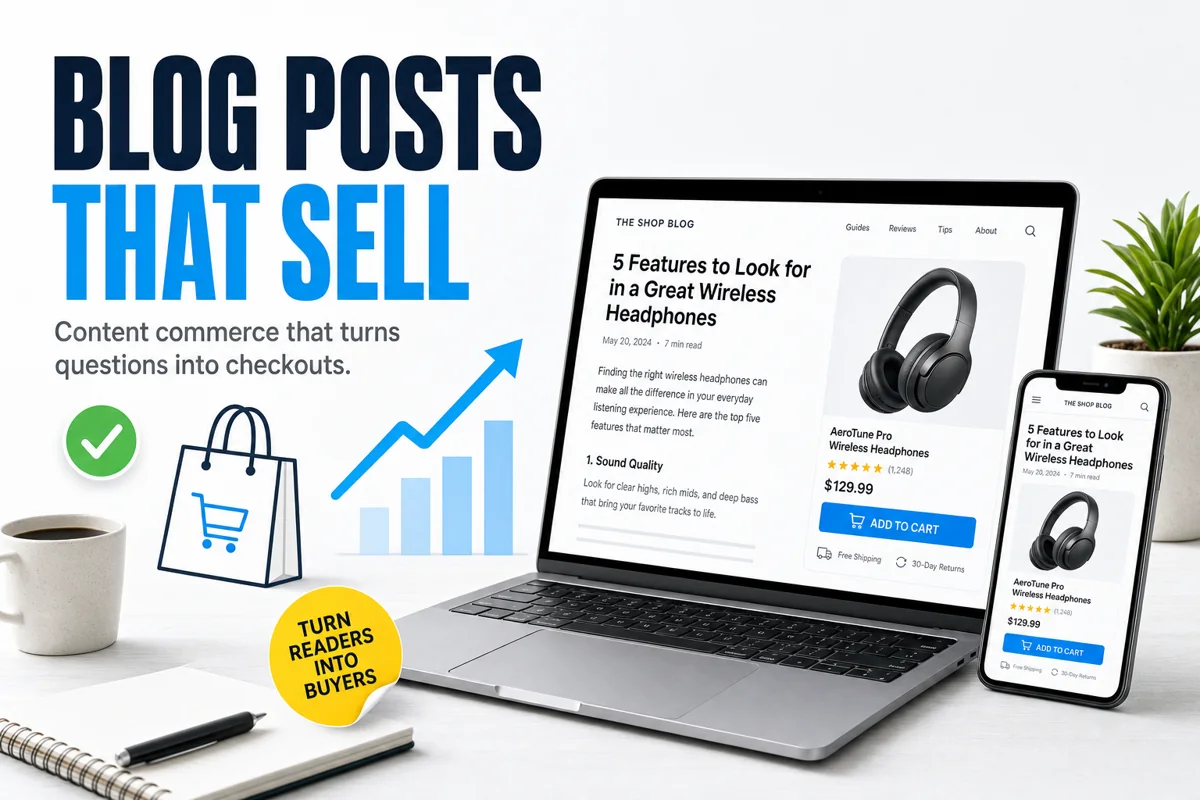
The single biggest organic-revenue unlock in e-commerce is content commerce — blog posts engineered around purchase-intent searches, with the relevant products linked right inside the answer. Done well, it is the closest thing to free, compounding sales a store can build.
- Most e-commerce blogs sell nothing because they answer no question a buyer types.
- Content commerce targets purchase-intent searches with the products linked inside the answer.
- Posts that convert answer honestly, link in context, carry schema, and internally link.
- It compounds — a library of 40–60 buyer-intent articles keeps selling for years.
What a purchase-intent query looks like
There is a world of difference between someone searching "spring fashion trends" and someone searching "best waterproof hiking boots for wide feet". The first is browsing. The second is most of the way to a credit card — they have a specific need and are looking for the best answer so they can buy. Those queries exist in enormous volume across every category:
- "best [product] for [specific use case]"
- "[product A] vs [product B] — which should I buy"
- "how to choose a [product category]"
- "is [product] worth it for [type of person]"
- "[problem] — what actually fixes it"
The brand that writes the genuinely best, most honest answer to one of these questions captures that search — and the sale that follows, because the products that solve the problem are linked right there in the article.
What makes content commerce convert
It is not about stuffing keywords. The posts that rank and sell share a pattern:
- They actually answer the question — honestly, including when a cheaper option or a competitor is the right call. That earned trust is what makes the buying recommendation land.
- Products are linked in context, at the exact moment the reader decides "yes, that's the one for me" — not bolted on at the bottom.
- They carry the right schema (Product, FAQ, Review) so they are eligible for rich results and "people also ask" placements that pull in extra traffic.
- They internally link to related guides and collection pages, building topical authority that lifts the whole catalog over time.
Why it compounds
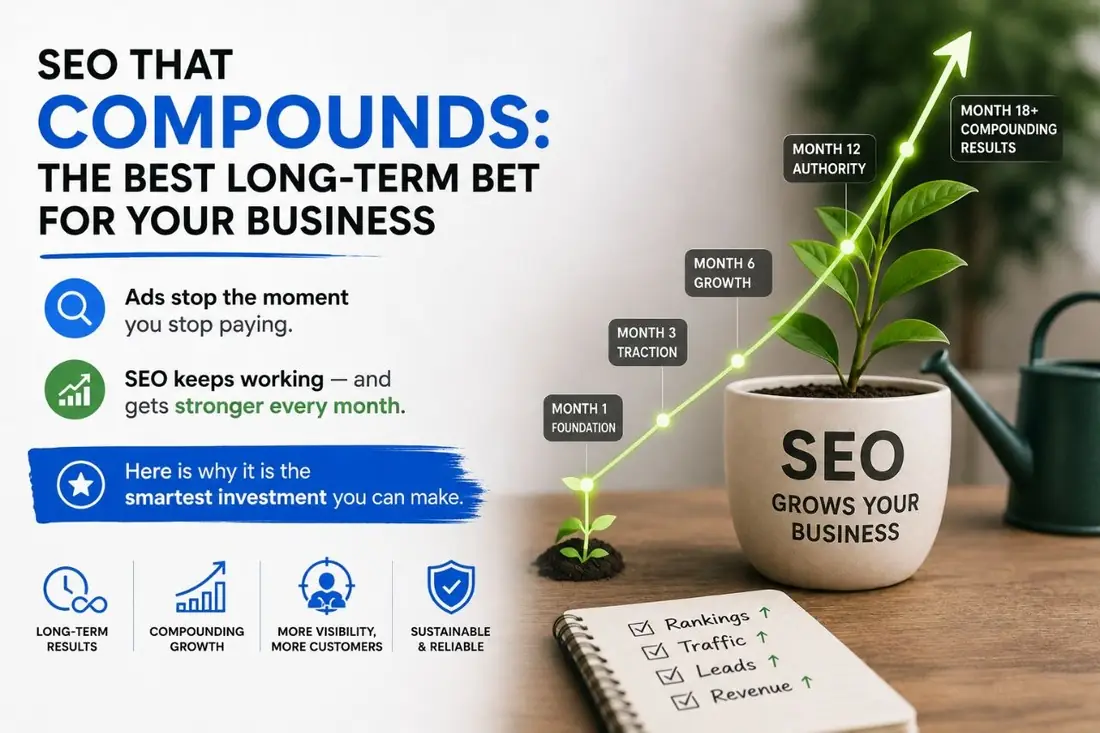
A paid ad stops the moment you stop paying. A great content-commerce post keeps ranking, keeps getting found, and keeps selling for years — and each new post strengthens the ones around it. A library of 40 to 60 well-targeted purchase-intent articles becomes a sales channel that runs whether or not you are spending on ads that day. It is slower to build than turning on Google Shopping, and far cheaper to run once it exists. For a store serious about margins, it is the highest-ROI content there is.
Common questions
Why do most e-commerce blogs fail to drive sales? They publish generic tips nobody searches for. Posts that sell answer real purchase-intent questions and link straight to the relevant products.
What makes a blog post actually convert? Targeting buyer-intent keywords, answering the question completely, and placing clear product links and calls to action inside the content.
How many product links should a post include? Enough to guide the reader to the right product naturally, without turning the article into a catalog. Relevance beats volume.