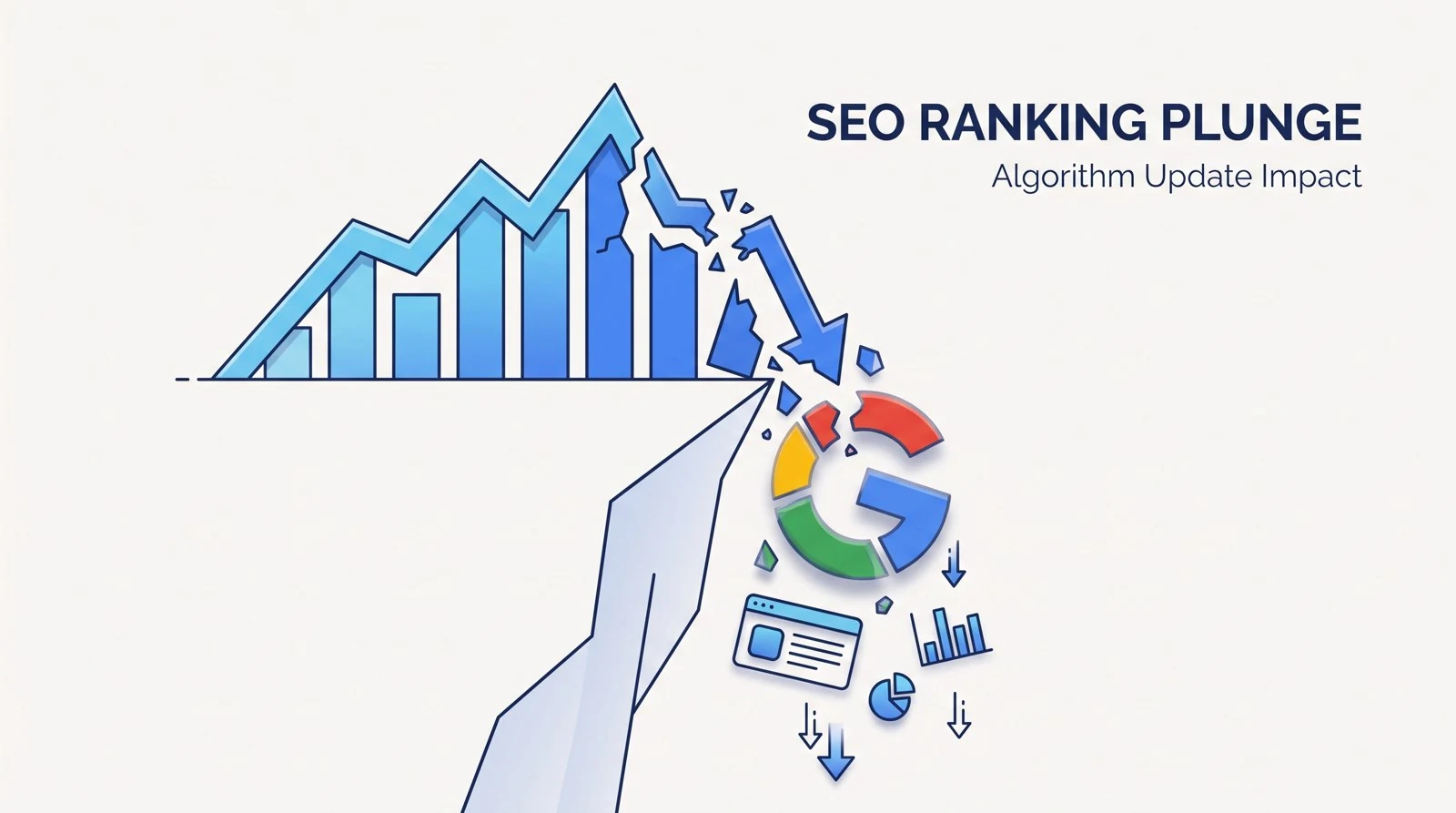


















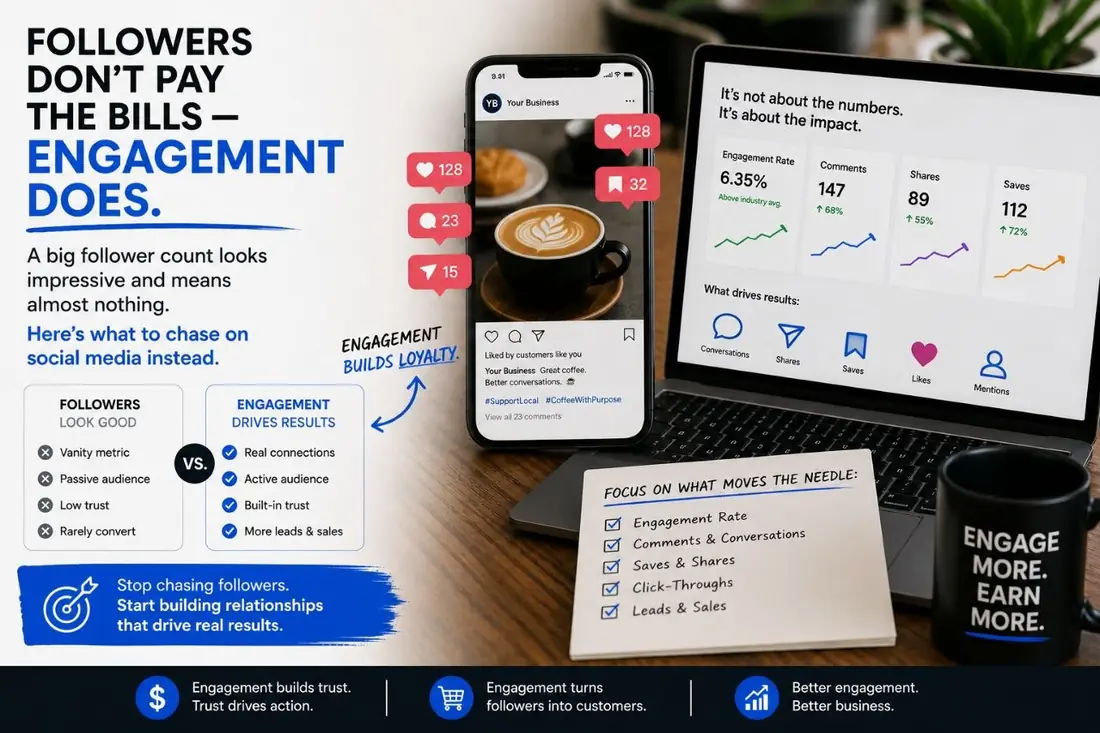


We have onboarded multiple businesses over the years with impressive social footprints — six-figure follower counts, viral posts, engagement that looked great in screenshots — and a sales pipeline so thin it could not keep the lights on. The owners always asked the same question: "how is this happening when our content is doing so well?"
The honest answer: follower count is a vanity metric. It correlates weakly, if at all, with revenue. Reach is not pipeline. Likes are not leads. And the algorithm rewards content that performs on the platform, not content that converts off it. Those are different objectives, and chasing one often undermines the other.
- Follower count is a vanity metric — reach is not pipeline, likes are not leads.
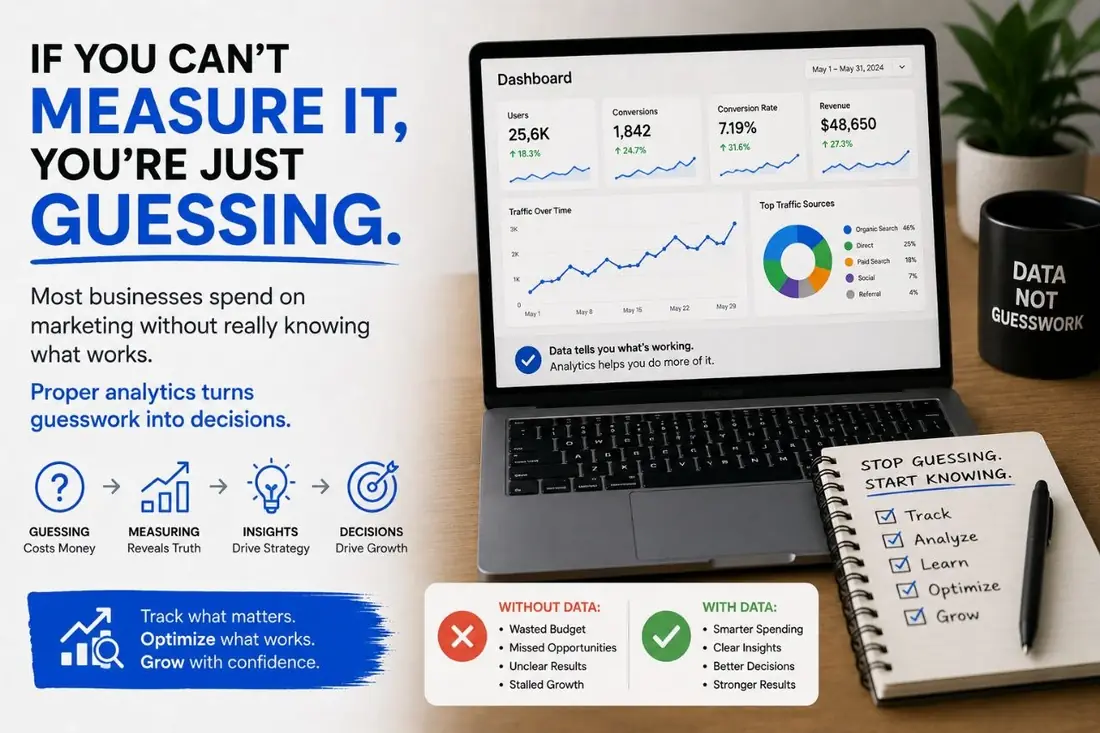
- Track cost per qualified lead, conversion rate, lifetime value and payback — by channel.
- Reposition social as top-of-funnel awareness, not a primary sales channel.
- A channel with no traceable revenue shouldn't be funded like a sales channel.
What we actually look at instead
When NTL of NYC reframes a social-first business around revenue, the dashboard changes. The numbers that matter are:
- Cost per qualified lead, by channel — not cost per click, not cost per impression. Cost per actual lead a salesperson would want to talk to.
- Lead-to-customer conversion rate, by channel — the channels with the highest follower counts often have the lowest conversion rates, because the audience came for entertainment, not solutions.
- Lifetime value, by acquisition source — a lead from an organic search may be worth 3x a lead from social, because they showed up looking for what you sell.
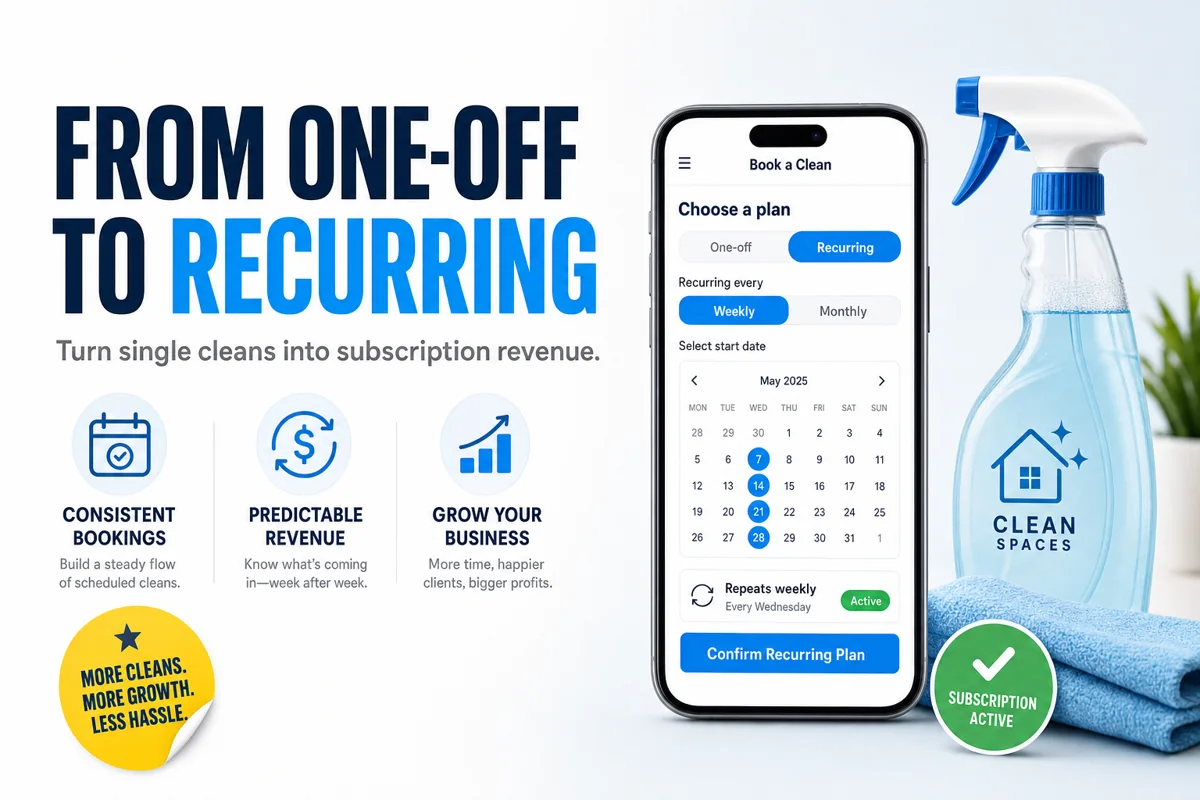
- Time-to-payback per channel — how long until a marketing dollar comes back. Some channels pay back in a week; some never do.
Once you have these numbers, the marketing budget allocation usually shifts. Social does not disappear — it gets repositioned as a top-of-funnel awareness lever, not a primary sales channel. The dollars shift to channels with shorter, more measurable conversion paths.
The repositioning we run
For a typical NTL client who came in social-heavy and lead-poor, the playbook over the first 6 months:
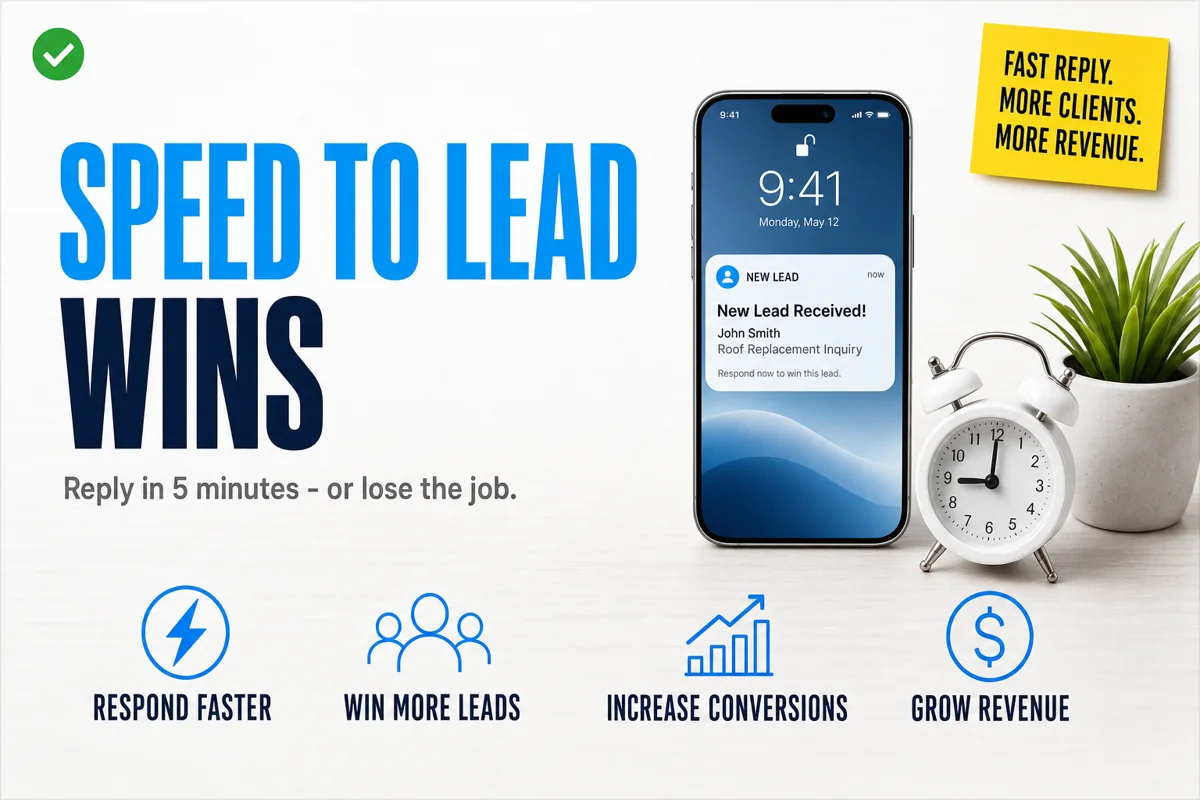
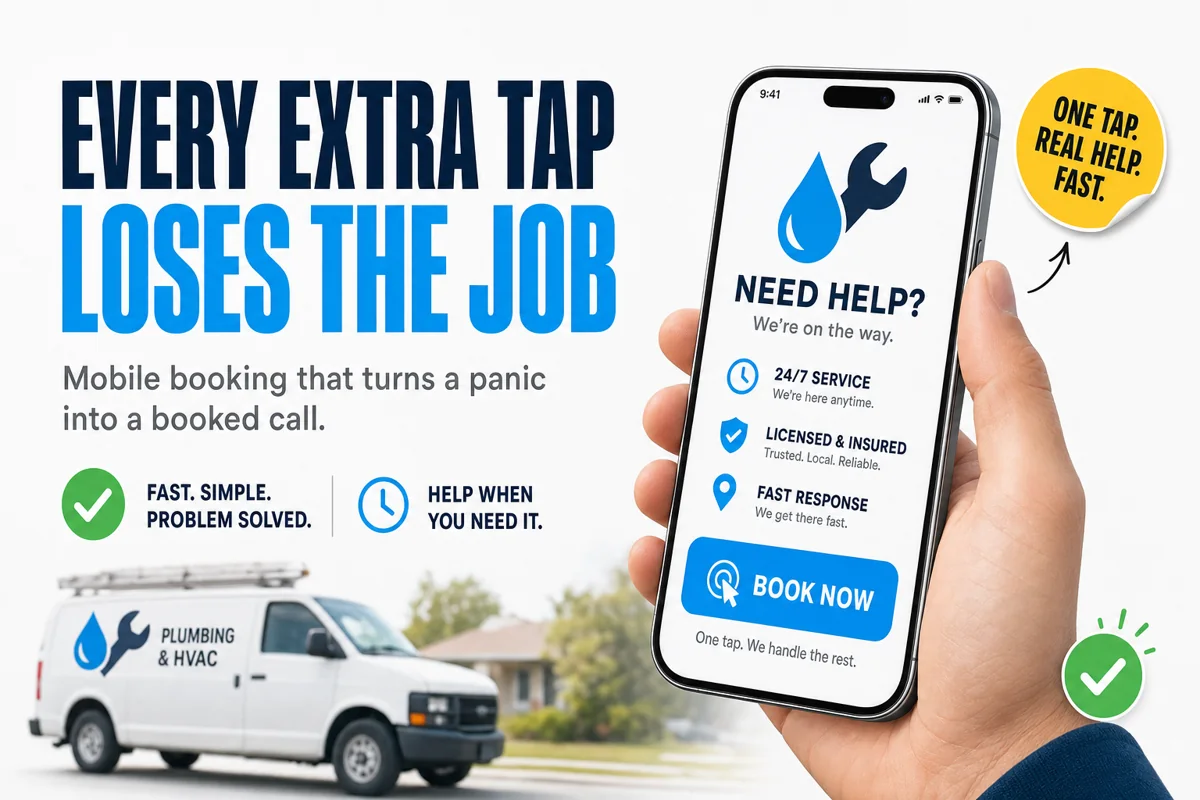
- Build a lead-capture spine on the website. Real lead magnets. Real landing pages. Real follow-up sequences. The thing social traffic should land on.
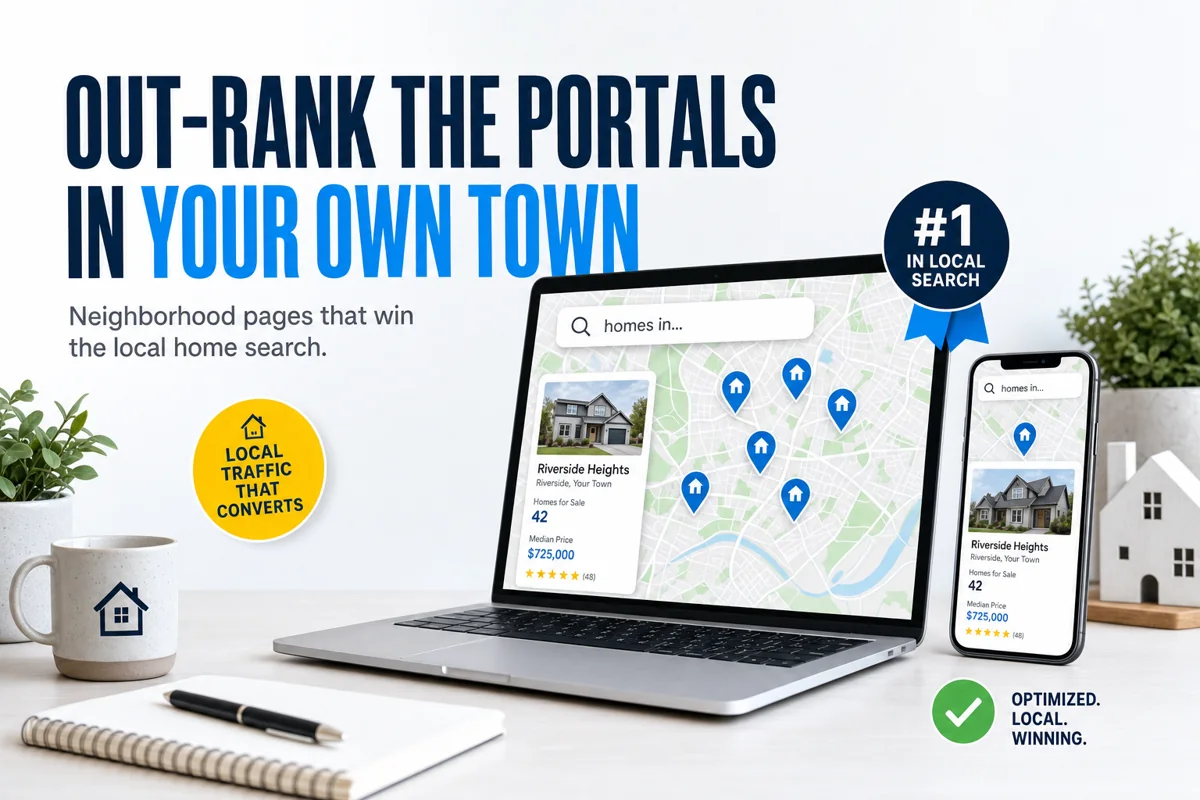
- Add SEO and Google Ads as parallel demand-capture channels. People searching for your category are already in-market. Capturing them is faster ROI than convincing a social scroller they need you.
- Rebuild the social mix. Less "viral attempt" content, more "useful and on-message" content that filters for actual fits. Smaller audience, higher conversion.
- Measure relentlessly. Every channel reports cost per qualified lead. Channels that do not earn their keep get cut, not defended for sentimental reasons.
The uncomfortable truth
If your most successful marketing channel produces zero traceable revenue, it is not your most successful marketing channel. It is your most successful entertainment channel. Those can be valuable for brand, but they should not be funded as if they were sales channels.
The first conversation with most of our new clients is helping them make peace with retiring the metrics they have been bragging about. It is uncomfortable. It also tends to be the moment the business starts growing again.
Common questions
Why focus on leads instead of followers? A large following with an empty pipeline is not success. Revenue comes from leads and conversions, not vanity metrics.
How do you reframe a social-first business? By measuring and optimizing the metrics tied to revenue, like leads, conversion rate, and customer value, rather than reach alone.
Does this mean social media is a waste? No. Social is valuable when it feeds a system that captures and converts attention into leads.