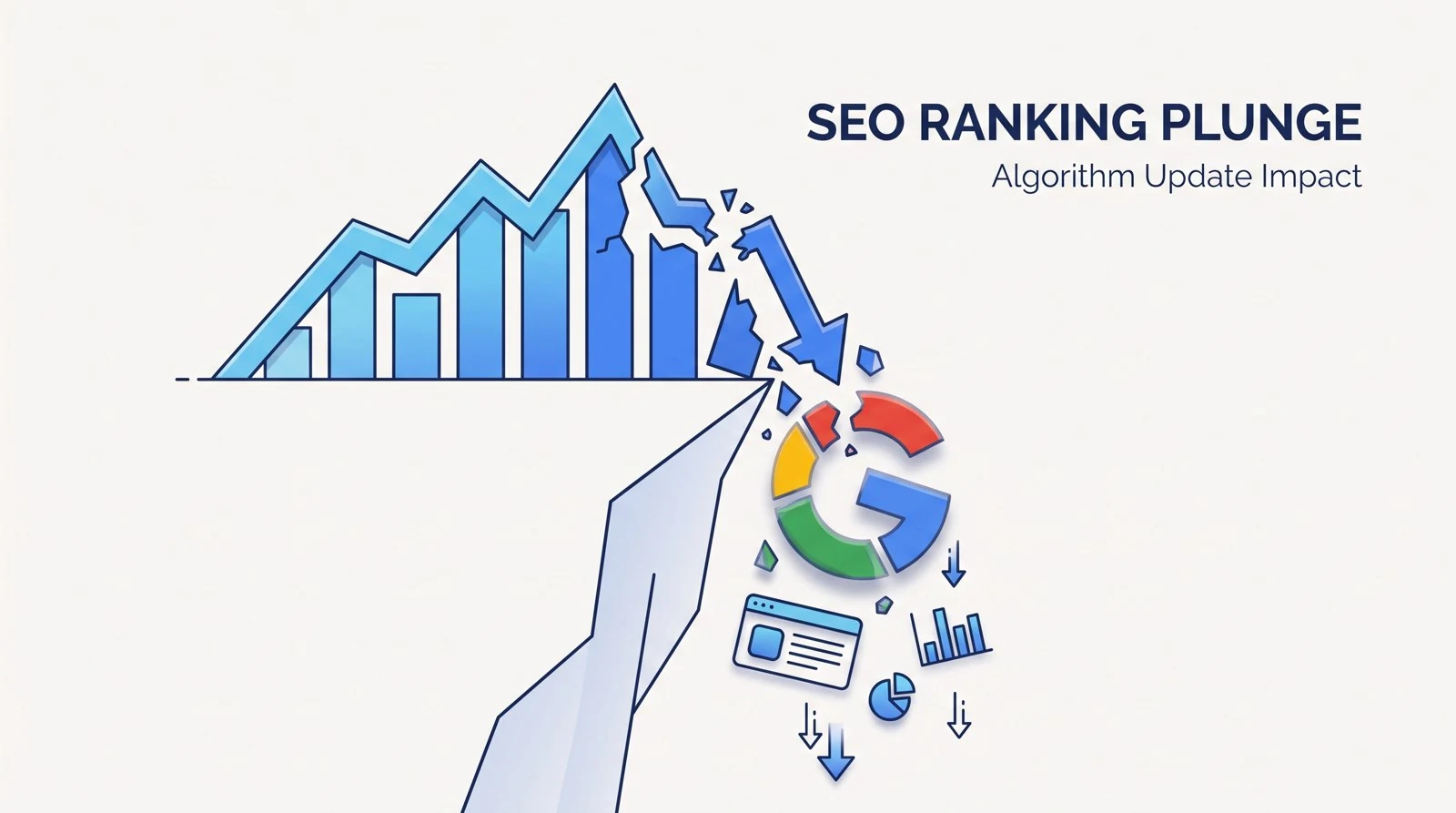





















Search has quietly changed jobs. It used to be an index that matched the words you typed to the words on a page. It is now an answer engine that interprets what you actually want and, increasingly, answers you before you ever click. If your business still grades its SEO by "total organic sessions," you are measuring the one number that has the least to do with revenue — and ignoring the ones that decide whether search makes you money.
At NTL of NYC we run what we call revenue-first search: ignore vanity rankings, and engineer every page to meet a buyer at the moment of commercial intent. Here is the framework.
- Search is now an answer engine — grading SEO by total sessions measures the wrong thing.
- Organize by intent and concentrate depth on commercial and transactional pages.
- Build pillar-and-cluster authority and entity-grade schema for the zero-click era.
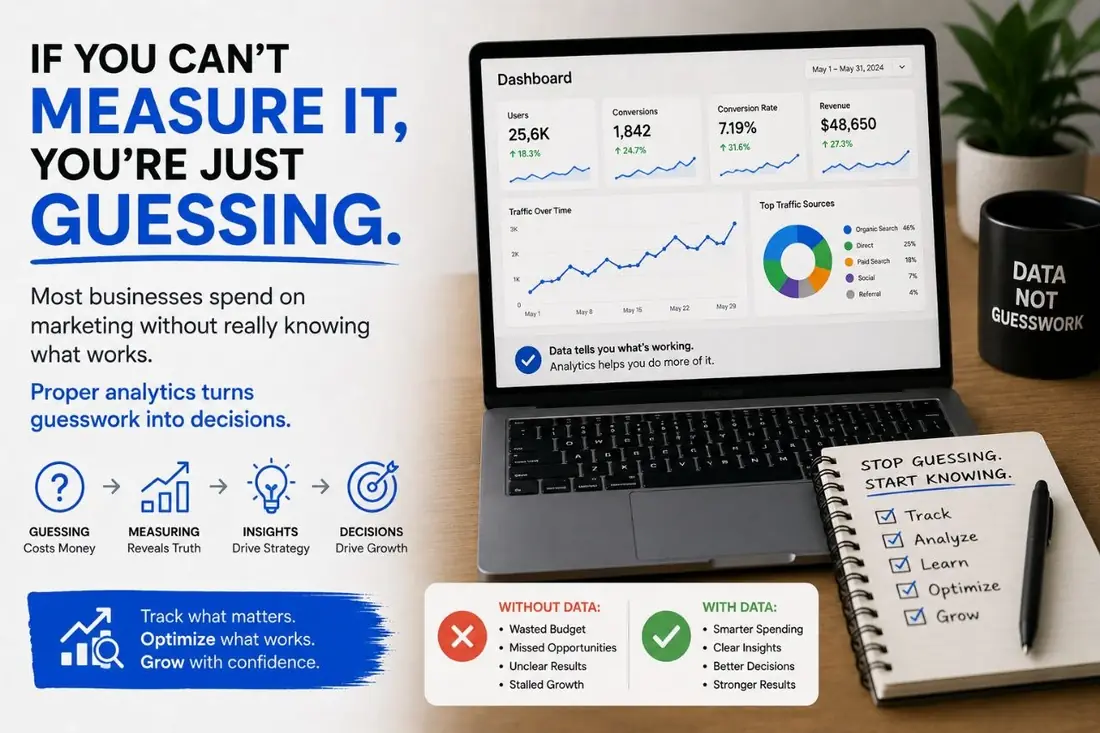
- Measure pipeline and revenue in your CRM, not Search Console vanity metrics.
1. Architecture follows intent, not keywords
Modern search engines are nearly perfect at reading intent. They no longer hunt for an exact string — they look for the problem behind it. So your site should be organized by intent, not by keyword. We sort every page into four buckets: informational, navigational, commercial, and transactional. The money lives in the last two — "best logistics software," "hire a logistics consultant" — so that is where we concentrate content depth and internal links, and where we point the crawl budget. Rank for how people buy, not just how they browse.
2. Technical SEO is now an experience, not just code
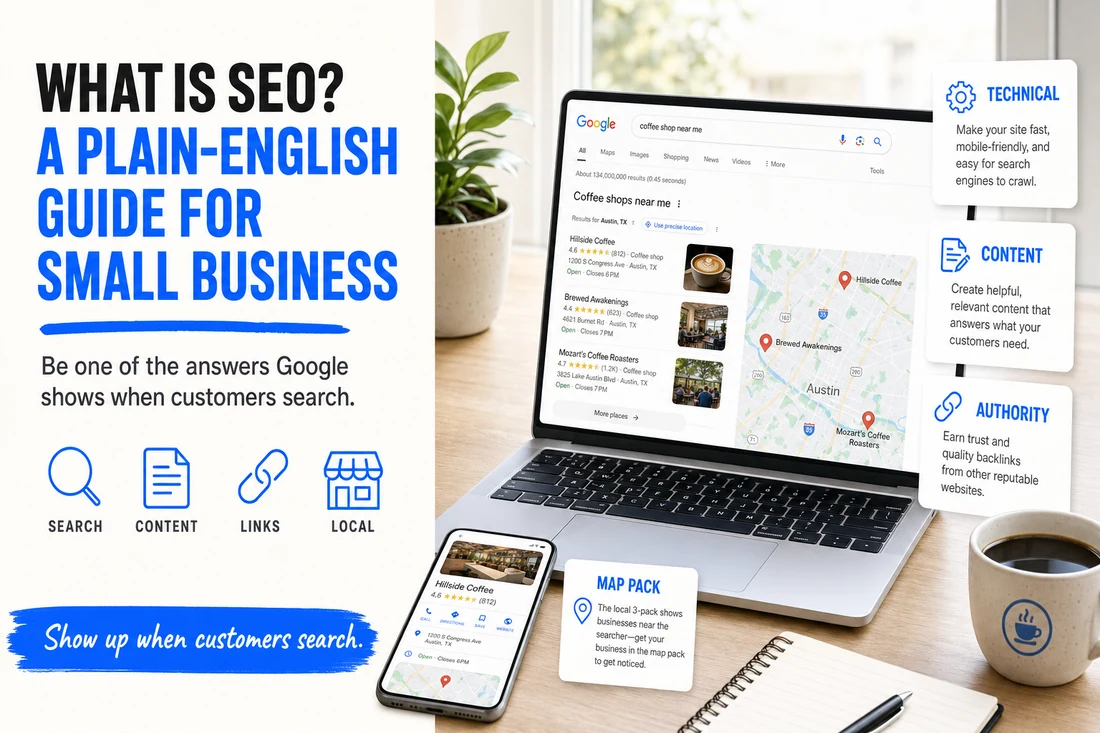
With Interaction to Next Paint (INP) a core ranking signal, how your site feels is a ranking factor. If a tap waits more than ~200 milliseconds for a visible response, rankings and conversions both slip. We pair that with server-side rendering and edge delivery over a global CDN, so a New York business loads just as fast for a buyer in London or Dubai. Speed is no longer a nicety; it is distribution.
3. Authority beats volume: build content clusters
"Content is king" has become "authority is king." Search engines use knowledge graphs to decide whether your brand is a genuine expert, and a single great article with no supporting network rarely earns the semantic authority to rank for competitive terms. The fix is the pillar-and-cluster model: one definitive guide surrounded by 10–20 satellite articles answering specific long-tail questions, all interlinked. Done right it builds a moat competitors cannot easily cross.
4. Become an "entity" for the zero-click era
AI summaries now sit at the top of the results page, and the zero-click search is the new normal. To be the source those answers cite, your brand has to be a recognizable entity — not just a set of pages. We define your organization, your people, and your services in structured Schema.org markup so AI crawlers can understand exactly who you are and what you do, and credit you when they generate an answer.
5. Win the first three seconds
The modern searcher is skeptical and fast. Within three seconds of landing, a visitor must know who you are, what problem you solve, and what to do next — or they leave. That is where SEO and conversion-rate optimization stop being separate disciplines. We use heat-mapping and A/B testing to make sure the traffic we earn actually converts, instead of bouncing off a page that ranked but did not persuade.
6. Measure ROI, not digital footprints
Stop treating Google Search Console as the source of truth. Real SEO ROI shows up in your CRM. We track organic multi-touch attribution — so we can see that a customer first found you through a blog post, came back via an ad, and converted on a direct visit weeks later. Without that view, most businesses undervalue their search investment by as much as half, and cut the very thing that was working.
What this looks like in practice
- An intent map of every page, with commercial and transactional pages prioritized for depth and links.
- A performance budget enforcing sub-200ms interaction, SSR, and edge delivery.
- Pillar-and-cluster content that compounds into topical authority instead of one-off posts.
- Entity-grade schema so AI answer engines cite you as the source.
- CRO baked in — every ranking page engineered to convert, not just to attract.
- CRM attribution tying organic traffic to pipeline and revenue, not sessions.
The takeaway
If your SEO reporting is a wall of traffic charts with no line to revenue, you are optimizing the wrong thing. Organize around intent, make the site fast and structured enough for both people and AI, build real topical authority, and measure the part that pays — the pipeline. That is the difference between a bigger digital footprint and a bigger business.
Common questions
What changed most about SEO recently? The shift from keyword matching to entity understanding. Google tries to decide whether your brand is a legitimate authority, and AI-generated results mean you now optimize for zero-click visibility through schema, not just blue links.
Does every page still need to be long? No. Pillar pages you want to dominate need comprehensive depth; transactional pages usually win on clarity and speed instead of word count.
How do you measure SEO success? Pipeline contribution, organic customer-acquisition cost, and year-over-year revenue attributable to search — not vanity metrics.
Will AI-written content hurt rankings? Google rewards helpful content regardless of how it is made, but thin AI content lacks the first-hand expertise and proprietary data that earn trust. We use AI to research; the strategy and the final word stay human-led.