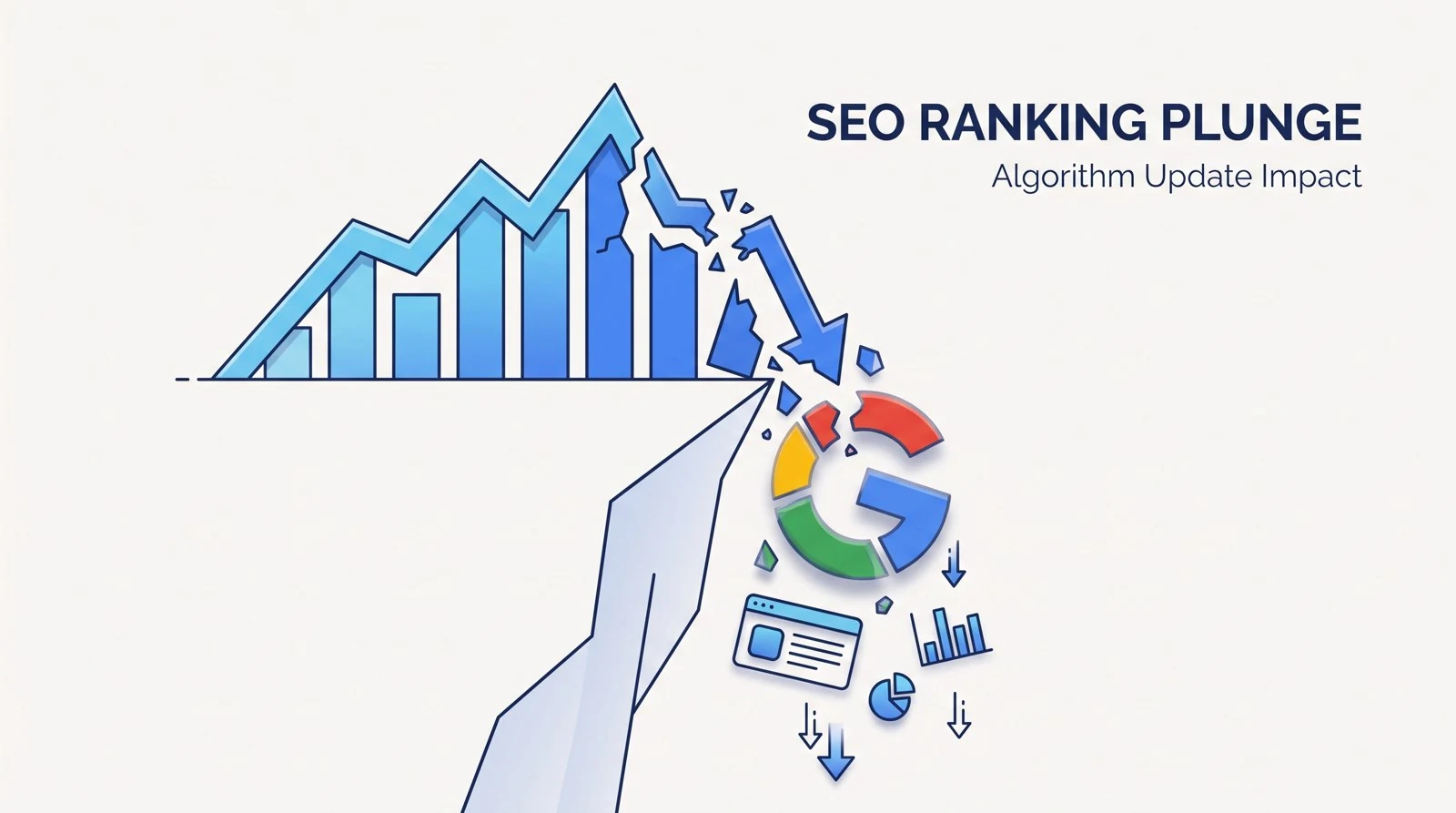









Most e-commerce owners either run paid ads only, or they did SEO once years ago and stopped. Both leave money on the table. Here is what our team fixes first on an e-commerce SEO engagement.
- Write real product titles and meta descriptions, not the platform defaults.
- Treat category pages as landing pages and add Product schema everywhere.
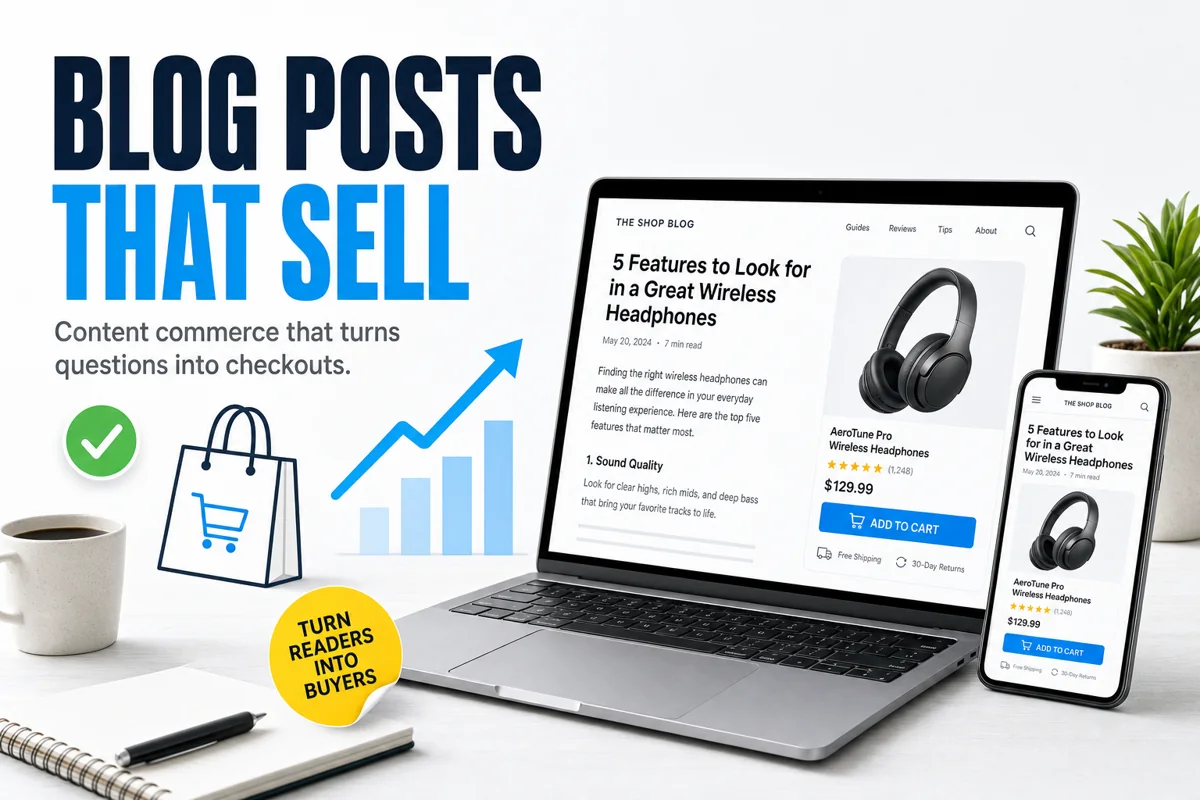
- Content commerce (buyer-intent posts that link to products) is the biggest unlock.
- Do not ignore image SEO and page speed.
The 7 fixes, and why they pay off
| Lever | What to do | Payoff |
|---|---|---|
| Product titles & meta | Write them as Benefit + Brand + Category, not "SKU — Store" | The highest-impact on-page element plus the click pitch |
| Category pages | Add a real intro: what is in it, who it is for, why yours | Your highest-traffic pages start ranking |
| Product schema | Add Product markup (price, stock, rating) to every product | Stars and prices in results; 20-40% higher CTR |
| Internal linking | "Bought together", "related", "also viewed" | Signals product relationships and lifts order value |
| Content commerce | Answer purchase-intent searches, link the products inside | Captures high-intent traffic and the sales after |
| Image SEO | Real alt text plus descriptive filenames | Image and Lens traffic for visual categories |
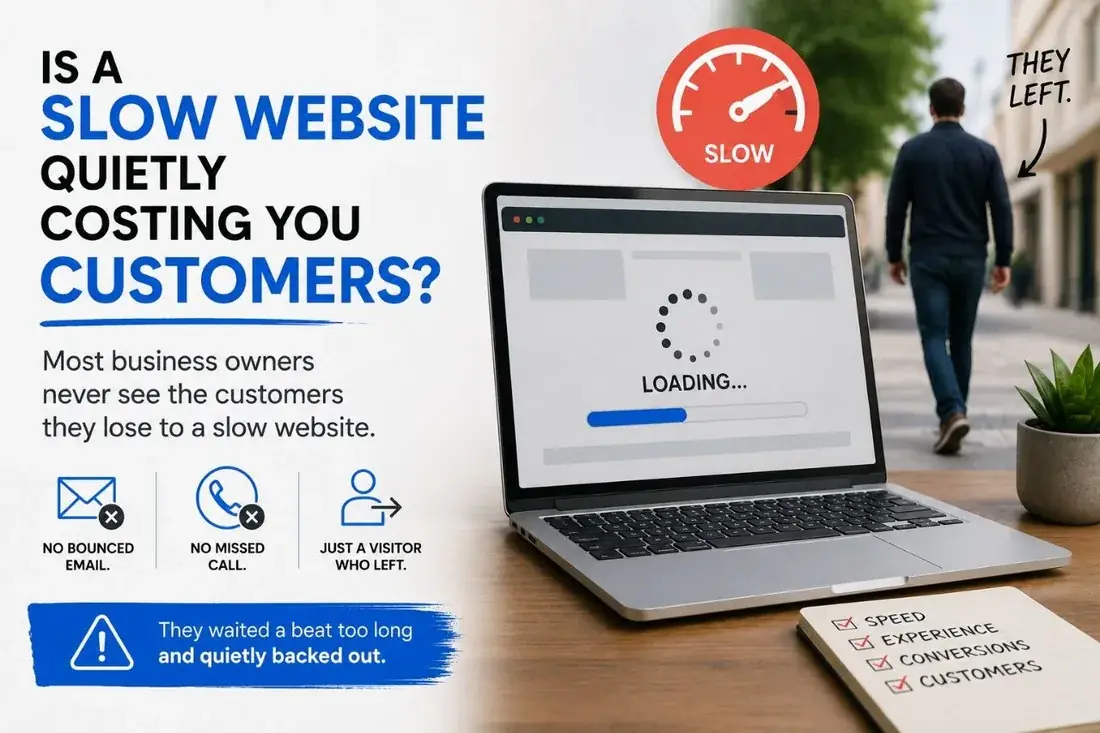
| Page speed | Trim heavy scripts, widgets and pop-ups | A 1-second mobile gain can lift conversions 10-20% |
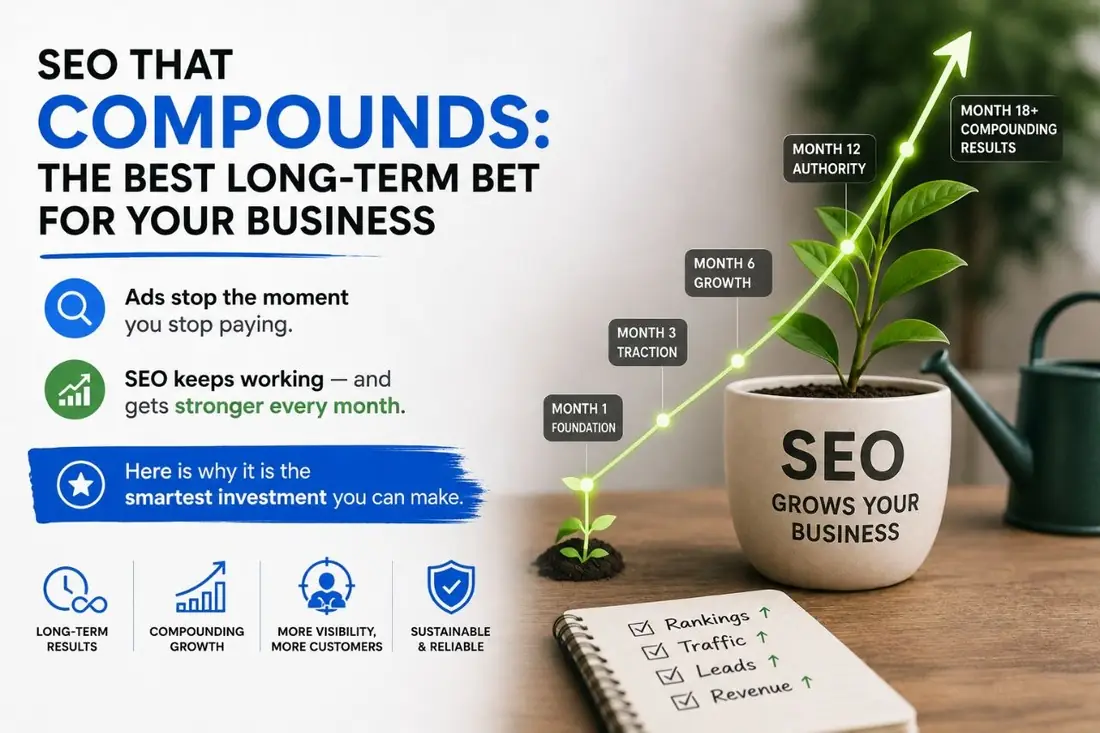
A recent NTL of NYC client came in with strong paid traffic but almost no organic. Over four months we applied the seven fixes above: organic sessions tripled, organic revenue went from about 5% of total to about 28%, and the paid budget that had carried everything could finally come down without losing revenue. That is the compounding payback of methodical e-commerce SEO.
Common questions
Where is the hidden revenue in e-commerce SEO? In category and product pages, technical fixes, and intent-driven content that most stores never fully optimize.
What are the highest-leverage e-commerce SEO fixes? Clean site structure, optimized product and category pages, fast load times, schema markup, and content targeting buyer-intent searches.
Does SEO work alongside paid ads? Yes. SEO lowers your long-term acquisition cost while ads drive immediate traffic, and together they compound.