









Two cleaning companies can do identical work and end up worth wildly different amounts. The one that books a string of one-off jobs lives or dies by next week's lead flow. The one that converts those same customers into weekly or biweekly recurring plans has predictable revenue, higher lifetime value, and a business an owner could actually sell one day. The work is the same. The model is everything.
And the model is largely decided on the website, before a customer ever meets a cleaner. Most cleaning sites quietly optimize for the worst version: the one-time job.
- Same work, different model: recurring plans mean predictable revenue and higher lifetime value.
- The model is decided on the booking page — most default to the one-time job.
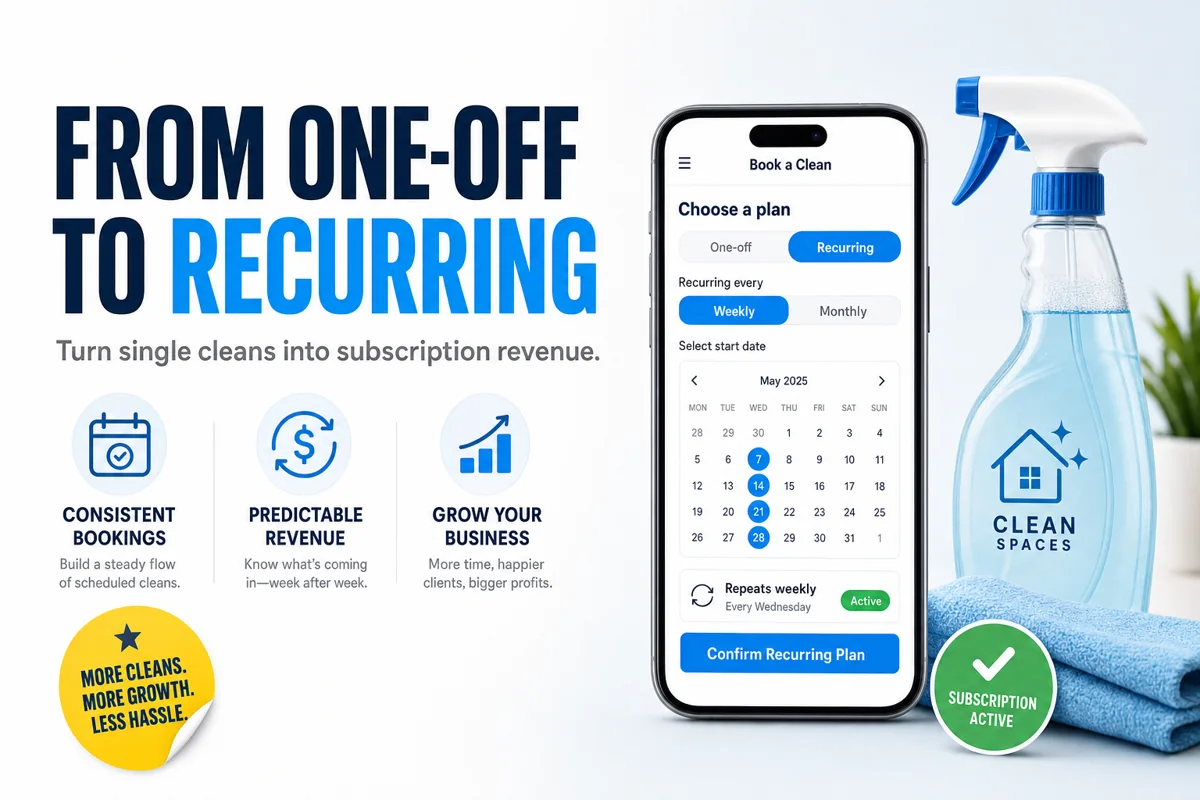
- Make recurring the default, show the savings, and recommend a cadence (biweekly).
- Automate a post-clean follow-up to convert one-offs while satisfaction is highest.
Where the recurring revenue leaks away
When NTL of NYC audits a cleaning company's booking experience, the recurring plan is almost always buried or absent:
- The default is "one-time." The booking form leads with a single clean, and recurring is a tiny radio button nobody notices. Defaults are powerful — whatever you put first is what most people pick.
- No price incentive to commit. If a weekly plan costs the same per visit as a one-off, there is no reason to subscribe. The recurring discount needs to be visible and framed as savings.
- No frequency framing. Customers do not know what to choose because no one tells them. "Most homes your size book biweekly" removes the decision paralysis.
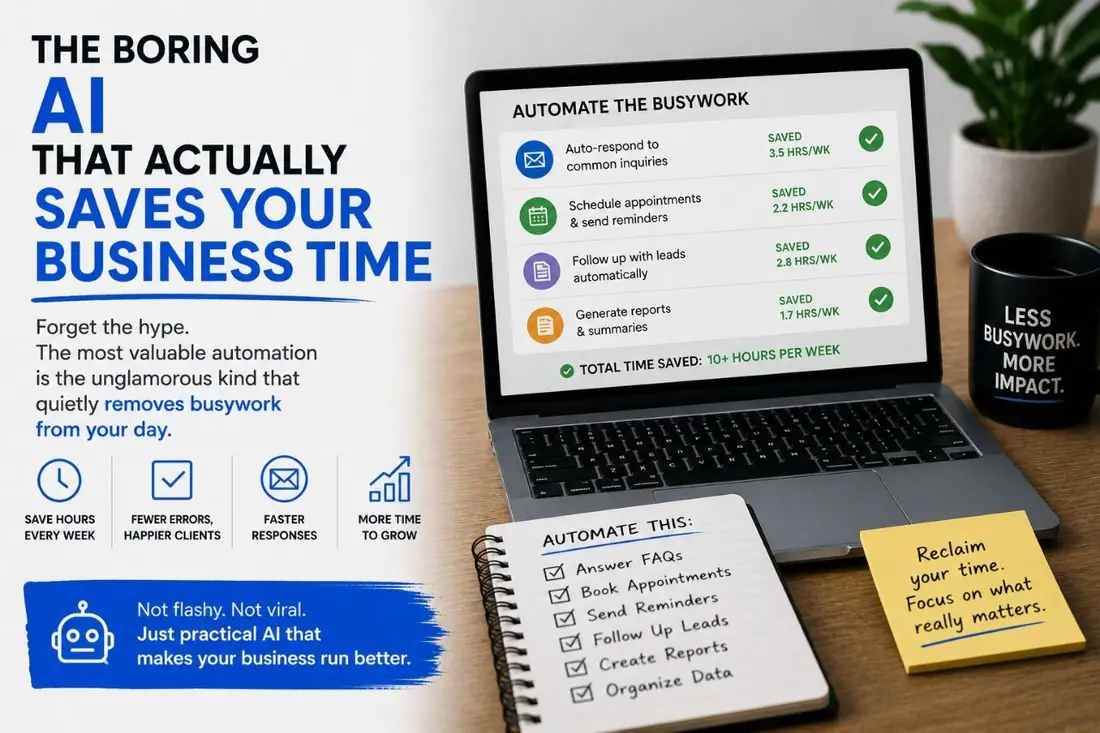
- The follow-up never happens. The one-off customer finishes their clean, and nothing invites them back. A simple post-clean automation ("loved it? lock in your spot every other week and save 15%") recovers a huge share of them.
How we engineer the funnel toward recurring
The booking flow should make the recurring plan the obvious, easy, slightly cheaper choice:
- Lead with frequency. The first question is "how often?" — weekly, biweekly, monthly, one-time — with the recurring options visually primary and the savings shown right on each.
- Anchor with a recommendation. Pre-select biweekly (the most common, most profitable cadence) so the customer opts out rather than opts in.
- Make the savings concrete. "$140 one-time, or $119 every visit on a biweekly plan" turns an abstract commitment into a number.
- Automate the conversion of one-offs. Anyone who books a single clean enters a short follow-up sequence that invites them onto a plan a day or two after the job, when satisfaction is highest.
Why this is the highest-leverage change a cleaning company can make
Acquiring a new customer is the expensive part — ads, SEO, referrals all cost money or time. Converting a customer you already won onto a recurring plan costs almost nothing and multiplies their value many times over. A company that shifts even a third of its one-off customers onto recurring plans transforms its revenue from unpredictable to compounding. None of it requires working harder. It requires a booking page built to sell the relationship, not just the job.
Common questions
How do I turn one-off cleans into recurring revenue? Make the recurring plan the easy default on the booking page, with clear savings, simple scheduling, and a frictionless way to opt in.
Where does recurring conversion actually happen? On the booking page. A few design choices, like presenting the recurring option before the one-time one, drive most of the lift.
Is recurring revenue worth the discount? Yes. A predictable monthly client is worth far more in lifetime value than a single discounted clean.